For nearly seventy years, one scarred framing hammer followed the Bell family from porches to barns, through hard winters and lean summers. It was never valuable enough to insure, but far too important to replace.
The hammer did not look like an heirloom.
Its steel head had darkened with age. The claw was slightly crooked, and the handle carried a smooth hollow where three generations of hands had gripped it. A faint red streak near the base was all that remained of a coat of paint applied sometime during the Eisenhower administration.
But in Cedar County, people knew the hammer. They had seen it on roofs, beside fence posts, and resting on the tailgate of a faded green pickup. According to family legend, it had helped build half the barns north of Mill Creek.
It Began With a Porch
In the spring of 1957, twenty-six-year-old Walter Bell bought the hammer from a hardware store with squeaking floors and bins of loose nails sold by the pound.
Walter had recently returned home from military service with a canvas duffel bag, a secondhand truck, and plans to marry Evelyn Carter before summer. Evelyn’s father approved of Walter, but the Carter farmhouse needed a new porch before anyone could host a wedding supper there.
Walter bought a hammer, a square, and enough lumber to begin.
He spent the next six Saturdays building the porch. Evelyn brought him iced tea in a Mason jar and sat on the unfinished steps while he worked. By June, the porch was level, solid, and wide enough for two rocking chairs.
From the Bell Family Notebook
“Daddy always said you could tell whether a man respected his tools by the way he set them down.”
Margaret Bell
Walter’s daughter
The porch outlasted the wedding cake, the borrowed folding chairs, and nearly everyone who danced beneath its paper lanterns.
Walter and Evelyn began married life in a two-room house at the edge of town. The hammer went with them. It hung from a leather loop on Walter’s work belt as he repaired sheds, framed additions, and took whatever carpentry work came his way.
A Tool Earns Its History
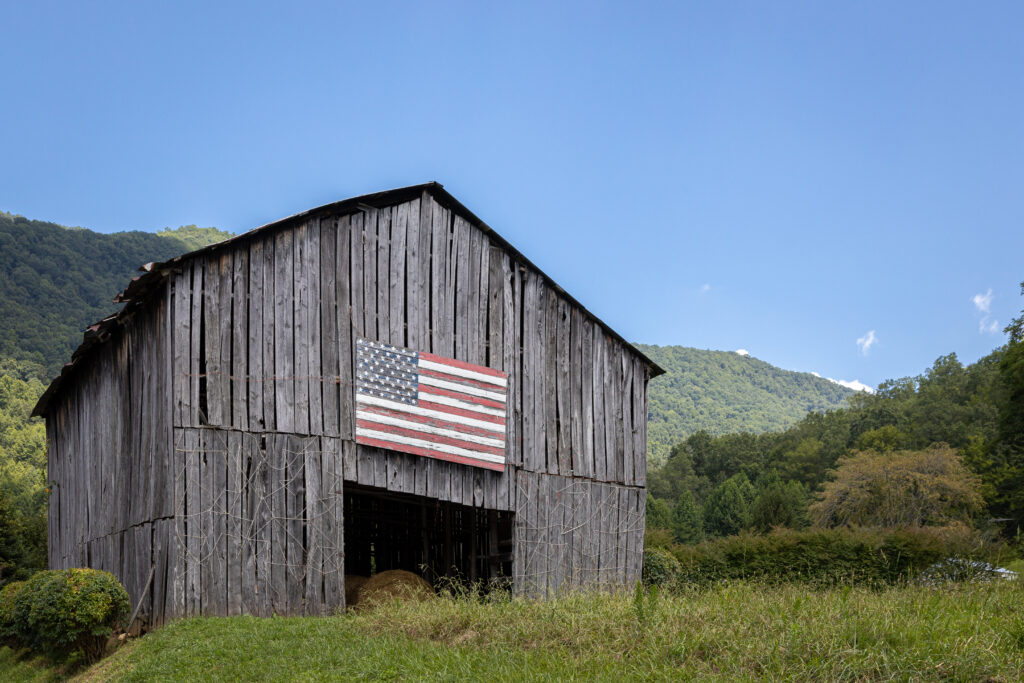
During the 1960s and 1970s, Cedar County grew slowly. New houses appeared along the highway, but much of Walter’s work remained practical and unglamorous: patching storm-damaged roofs, replacing rotten steps, repairing tobacco barns, and keeping old homes standing another season.
The hammer became part of his rhythm. He could drive a framing nail with three measured blows. He used the claw to pull bent nails from salvaged boards and the side of the head to tap stubborn pieces into alignment.
Walter disliked disposable tools. He sharpened blades, oiled hinges, saved straight nails, and stored scraps of lumber according to size. He believed objects should be maintained long enough to develop a history.
“Cheap things make you pay twice,” he often said.
The Winter the Roof Came Off
In January 1978, a line of severe storms crossed the county after dark. Wind tore part of the roof from the Sutton family’s farmhouse, exposing two upstairs bedrooms to freezing rain.
Walter arrived before sunrise with his son David, a roll of roofing felt, several sheets of plywood, and the old hammer tucked into his belt.
- The roads were littered with pine limbs.
- The temperature hovered just above freezing.
- The power remained out for most of the morning.
They worked until their gloves were soaked. By afternoon, the opening was covered and the house was dry enough for the Sutton children to sleep upstairs again.
Why the Hammer Mattered
The hammer was not remarkable because it survived a storm. It mattered because Walter carried it when someone needed help. Over time, the tool became inseparable from the work performed with it.


Passed Down, Not Put Away
When Walter retired, he gave the hammer to David without ceremony. He simply removed it from the pegboard above his workbench and placed it in his son’s toolbox.
David used it while building houses during the 1980s, then later for weekend repairs and family projects. It helped frame a bedroom for his first child, repair a church ramp, and build a backyard treehouse that leaned slightly east but survived twenty-two summers.

Back Where It Started
In 2024, David’s daughter Claire returned to the original Carter farmhouse, now owned by a cousin. The porch Walter built in 1957 needed several boards replaced.
Claire brought the old hammer with her.
She worked slowly, worried that the aged handle might split. It held.
When the final board was secured, Claire sat in one of the rocking chairs and turned the hammer over in her hands. Near the base of the handle, beneath decades of scratches, she found two small initials carved into the wood:
W.B.
Walter Bell had marked the tool before he ever built the porch.
What We Keep
There are newer hammers in the Bell family garage. Some are lighter. Some have magnetic nail starters, vibration-reducing grips, and polished steel heads untouched by rust.
They are better tools by nearly every measurable standard.
But the old hammer carries something specifications cannot describe. It remembers the porch where Walter and Evelyn planned a marriage, the farmhouse repaired before the freezing rain returned, the treehouse that refused to fall, and the boards Claire replaced nearly seven decades after the first nail was driven.
A good tool does more than finish a job. Given enough years, it becomes a witness.
The hammer now hangs above Claire’s workbench. Not in a glass case. Not beneath a spotlight.
It hangs from an ordinary steel hook, within easy reach.
Because in the Bell family, an heirloom is still expected to work.
About This Demonstration Story
The Bell family and the events in this story are fictional. This article was created as sample editorial content to demonstrate the storytelling, image, quotation, column, and sidebar capabilities of Uncle Sam’s Attic.